
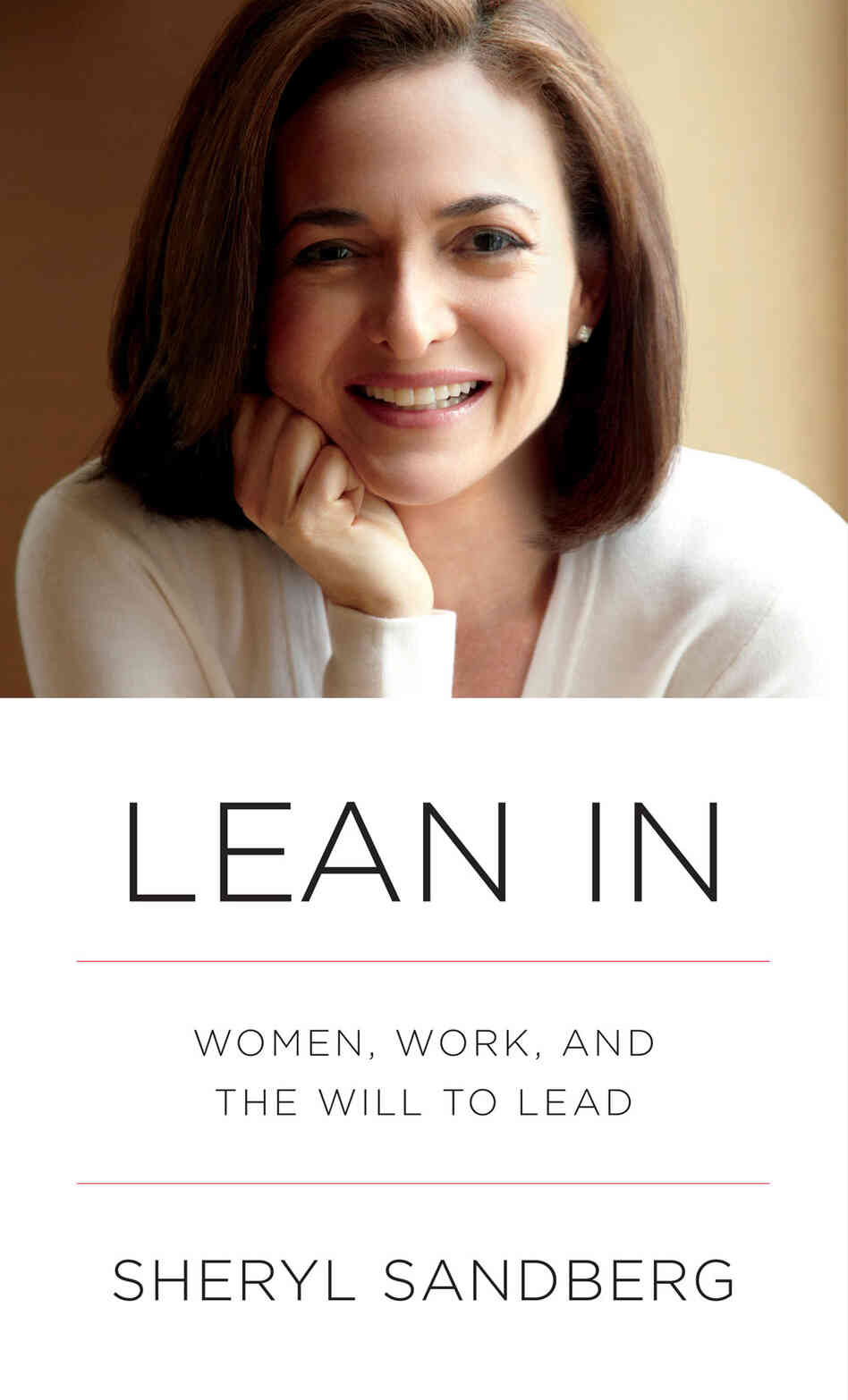
“You are the promise for a more equal world. So my hope for everyone here is that after you walk across this stage, after you get your diploma, after you go out tonight and celebrate hard — you then will lean way in to your career.” — Sheryl Sandberg’s commencement address at Barnard College in 2011.
As a woman that is just about to enter an industry traditionally run by men, I was absolutely inspired by Sheryl Sandberg’s Lean In. Her insight into the world of business, government, and technology told the story of how women must take the initiative to change their fate within their industry. As much as nature and society dictates how we behave, women must identify their short comings and make changes. Each chapter highlighted different issues that woman face from finding a mentor to balancing work and family. Her writing style was comforting as she wrote like she was having a conversation rather than dictating information at your. I enjoyed her short antidotes that introduced each concept really well. I did find that the book did have moments of repetition, and it could have been a chapter or two shorter. Additionally, I can see how some may argue that she makes women out to be weak employees that are victims to men or society. But then many of her thoughts were supported by facts and data that proved that women are set back.
I believe this book is great for young women who are entering the work force as well as those already in it. As I read the book it appealed to my ambitions to some day become a top executive and my desire to get married and have a family. It’s great to know that 1) I’m not the only person that worries about “having it all” and 2) that it’s not impossible to achieve what you want in life. Woman have made so much progress already to break through but we need more woman to be as strong and willing to take the risk. I am grateful for the progress that has been made and feel even more motivated to assist with this progress as I enter the workforce next year.
Finally, not only does she point out the issues that face women in the workplace but gracefully offers solutions for these short-comings. She provides person examples as well as psychological suggestions that offer ways to overcome these setbacks. The book includes how to negotiate, how to deal with criticism, how to be a better leader, and improve leadership skills.
Some of my favorite quotes:
“When I don’t feel confident, one tactic I’ve learned is that it sometimes helps to fake it.”
“It is hard to visualize someone as a leader if she is always waiting to be told what to do.”
“At a certain point it’s your ability to learn quickly and contribute quickly that matters.”
“There is no perfect fit when you’re looking for the next big thing to do. You have to take opportunities and make an opportunity fit for you, rather than the other way around. The ability to learn is the most important quality a leader can have.”
“When you want to change things, you can’t please everyone. If you do please everyone, you aren’t making enough progress.”
“On a ladder, most climbers are stuck staring at the butt of the person above.”
“The most common way people give up their power is by thinking they don’t have any.” — Alice Walker
“Asking for input is not a sign of weakness but often the first step to finding a path forward”
“The ability to listen is as important as the ability to speak.”
“Feedback is an opinion, grounded in observations and experiences, which allows us to know what impression we make on others.”
“Recognizing the role emotions play and being willing to discuss them makes us better managers, partners and peers.”
 Marissa Osowsky